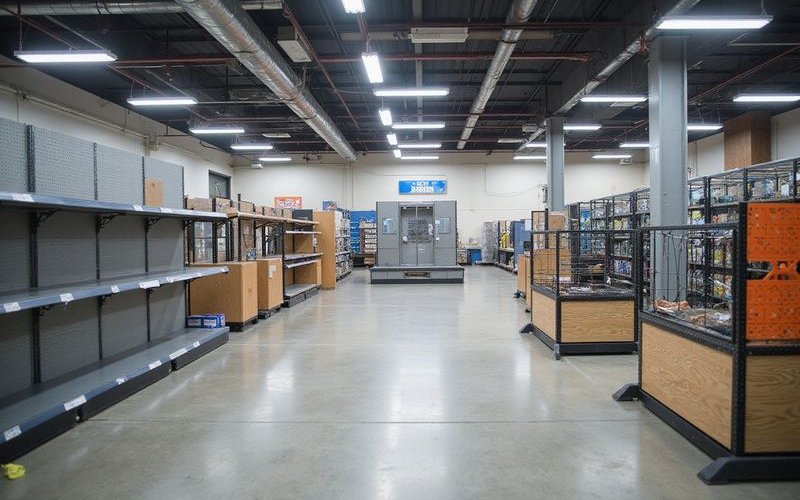
Closing a store involves much more than just locking the doors one final time. From what we see in the field, the sheer volume of “stuff” that isn’t inventory—shelving, counters, racks—often catches business owners off guard. You need a solid strategy to handle these assets without eating into your remaining capital.
We are going to break down the exact steps to manage this transition and avoid the common lease pitfalls that cost retailers thousands.
Understanding Your Lease Requirements
Before you unscrew a single shelf, you must know exactly what your landlord expects. Most commercial leases have specific clauses regarding the “surrender of premises.”
Key terms to look for:
- “Broom Clean”: This usually means the space is free of debris and personal property, but standard wear and tear is acceptable.
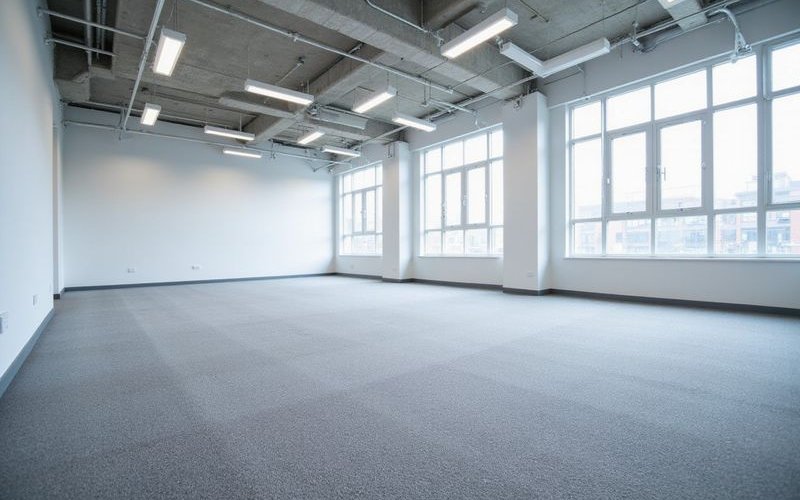
- “White Box” or “Vanilla Shell”: This is much more intensive. It requires removing all fixtures, flooring, and sometimes even lighting to return the space to a blank canvas.
- Holdover Clauses: Be very careful here. Staying even one day past your lease end date can trigger “holdover rent,” which is often 150% to 200% of your base rent rate.
Pro tip: Negotiate with your landlord immediately. We have seen landlords waive restoration requirements because the incoming tenant actually wants your installed lighting or slatwall. Get this agreement in writing to avoid disputes later.
Creating a Fixture Removal Plan
Step 1: Inventory Everything
You cannot manage what you have not counted. We recommend using a simple spreadsheet or an app like Sortly to categorize every physical asset.
Group your items into these four categories:
- Landlord Property: Things that must stay (often HVAC, certain light fixtures, or built-in counters).
- Transfers: Equipment you are moving to a new location.
- Resale Assets: High-value items worth the effort of selling.
- Disposal/Recycling: Damaged items or low-value fixtures that cost more to ship than they are worth.
Step 2: Timeline Backward
Start planning at least 6 to 8 weeks before your vacate date. Waiting until the last two weeks creates panic and expensive rush charges.
A realistic countdown looks like this:
- 8 Weeks Out: Identify items for sale and list them on marketplaces.
- 4 Weeks Out: Schedule professional movers or junk removal services.
- 2 Weeks Out: Begin dismantling unsold fixtures.
- 3-5 Days Before: Complete fixture removal.
- 1-2 Days Before: Perform final deep cleaning and patch work.
Options for Your Fixtures
Sell to Fixture Liquidators
If you have a large volume of matching, high-quality shelving (like Lozier gondolas), liquidators might make an offer. Companies like Store Opening Fixtures or localized restaurant equipment buyers are common options.
Reality check: Do not expect to recover your initial investment. Most liquidators pay 10-15 cents on the dollar because they have to factor in labor, storage, and shipping.
Sell Individually
You will likely get a better price selling directly to other business owners.
Where to list:
- BidSpotter: Great for industrial or heavy-duty equipment.
- Facebook Marketplace: Surprisingly effective for local, quick sales of counters and display cases.
- Craigslist: Still relevant for business-to-business transactions in many regions.
Downside: This requires significant effort. You have to manage inquiries, schedule pickups, and deal with no-shows.
Donate
Nonprofits can be a great outlet for usable fixtures. Organizations like Habitat for Humanity ReStores often accept display cases, lighting, and cabinetry.
The tax benefit: If you donate items valued over $500, you will need to file IRS Form 8283 with your tax return. This deduction can sometimes outweigh the small amount of cash you might get from a liquidator.
Junk Removal
Some items simply reach the end of their life cycle.
Common candidates for disposal include:
- Particle board shelving that crumbles when dismantled.
- Custom-branded signage.
- Heavily scratched glass cases.
- Obsolete POS hardware.
Common Retail Fixtures We Remove
Our teams see the same types of debris in almost every retail cleanout.
We regularly haul away:
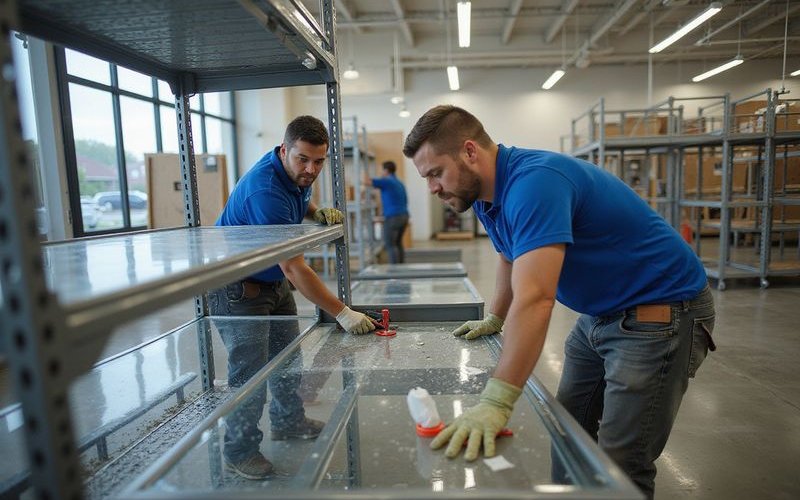
- Gondola Shelving: Heavy metal units that require tools to dismantle.
- Slatwall & Gridwall: Often glued or screwed deeply into walls.
- Cash Wraps: bulky checkout counters that are difficult to move intact.
- Mannequins: These are bulky and hard to recycle.
- Refrigeration Units: Common in convenience stores and cafes.
Special Considerations
Signage Removal
Taking down exterior signs often requires a permit from the city.
Safety warning: Older neon signs can contain mercury and require careful handling. Leaving the electrical wires exposed is a safety hazard, so ensure a licensed electrician caps off the connections.
Security Systems
Do not cut the wrong wire. We advise calling your security provider to decommission the system properly. They may own the equipment and will want it back.
Refrigeration and HVAC
You cannot just toss a fridge in a dumpster. The EPA’s Section 608 Clean Air Act requires that refrigerants (Freon) be recovered by a certified technician before disposal. Fines for venting refrigerant can be massive.
Point of Sale (POS) Systems
Data security is your priority here. Before getting rid of computers or tablets, ensure the hard drives are wiped according to NIST 800-88 standards. Simply deleting files is not enough to protect customer credit card data.
The Final Cleanout
Once the heavy lifting is done, the space needs to be prepped for the inspection.
Cleaning Checklist:
- Floors: Remove tape residue and scuff marks.
- Walls: Patch screw holes. Most leases require holes larger than a dime to be spackled and sanded.
- Windows: Remove vinyl decals and adhesive.
- Bathrooms: Sanitize and ensure plumbing fixtures work.
Repairs: If you damaged the door frame moving a gondola out, fix it now. Landlords charge a premium to manage repairs themselves.
Cost Considerations
Budgeting accurately prevents sticker shock at the end of the month.
Estimated costs for a 2,500 sq. ft. store:
| Service | Estimated Cost (2025/2026) | Notes |
|---|---|---|
| Fixture Liquidator | Varies | They may charge you if value is low. |
| Junk Removal | $800 - $2,500 | Depends on volume and weight. |
| Pro Cleaning | $400 - $900 | ”Broom clean” standard. |
| Wall Repair | $600 - $1,800 | Patching and painting. |
| Floor Repair | Varies | Tile replacement or carpet cleaning. |
Money-saving tip: Speed is currency. Paying a professional team to clear the store in one day is often cheaper than paying two weeks of additional rent while you try to do it yourself.
Working With Your Landlord
A good relationship with your property manager ensures you get your security deposit back.
Follow this communication protocol:
- Notify Early: Send official notice via certified mail as required by your lease.
- Document Condition: Take high-resolution photos before you start moving out.
- Clarify Expectations: Ask for a pre-inspection walk-through two weeks before the final date.
- Final Walk-Through: Do not hand over the keys until the landlord signs off on the condition report.
Our Retail Cleanout Services
Coastal Junk Pros specializes in commercial cleanouts to help Savannah area retailers transition smoothly.
We handle the heavy lifting:
- Full fixture dismantling and removal.
- Recycling of metal shelving and cardboard.
- Safe disposal of electronic waste.
- Same-day scheduling for urgent deadlines.
What we do not handle:
- Reselling your items (we are a removal service).
- Disconnecting high-voltage electrical or plumbing.
- Structural demolition.
Scheduling flexibility: Our team works evenings and weekends to ensure you meet your lease deadline without disrupting your final days of business.
Need a quote for your retail cleanout? Call (912) 555-0247 or contact us online for a free assessment.