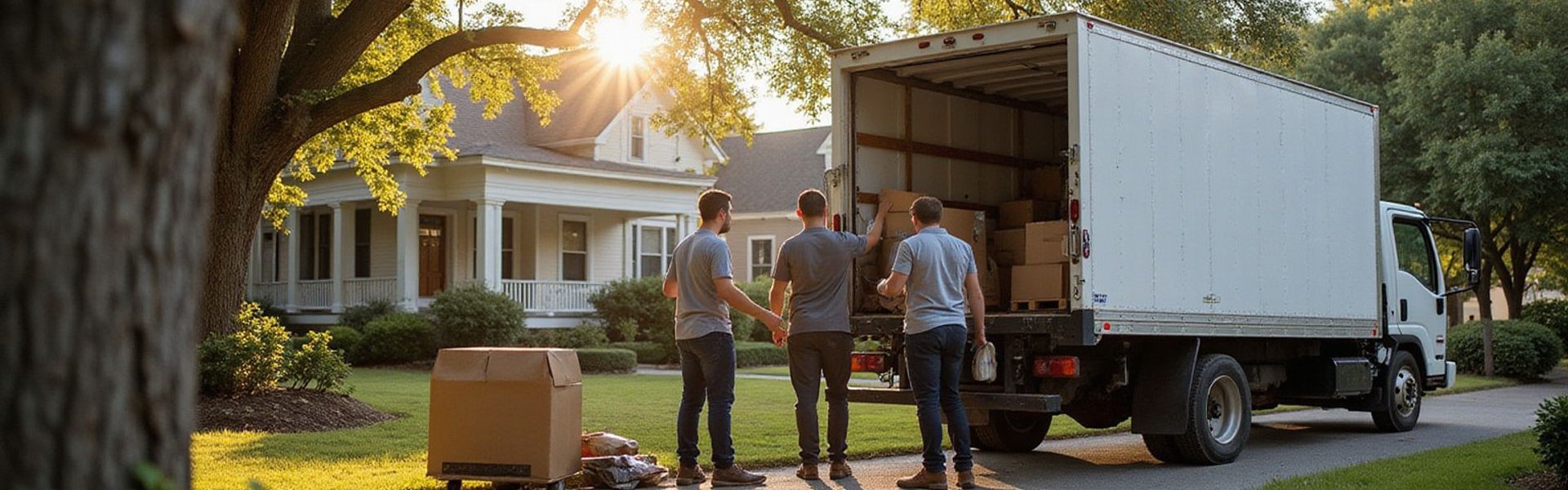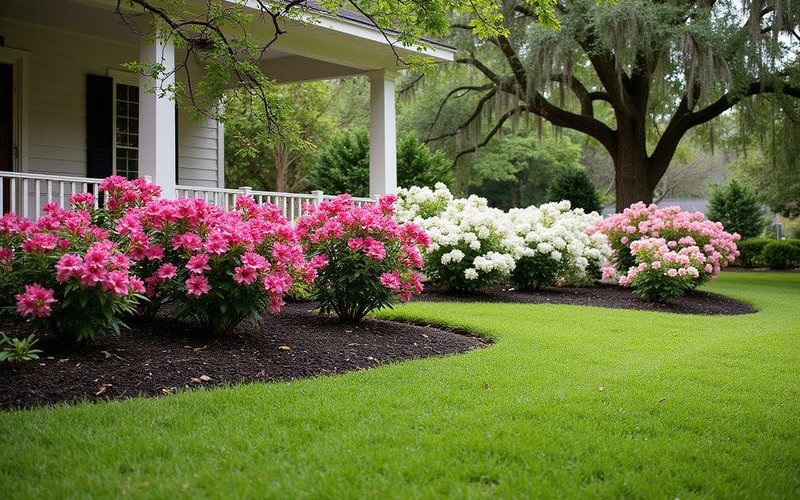
Spring in Savannah plays by its own rules. While the rest of the country waits for a thaw, we are often already in short sleeves by late February. This early warmth is a signal to get moving on yard work before the humidity sets in.
You know how quickly a manageable yard can turn into a jungle here. One week it is dormant, and the next, the wisteria has taken over the fence.
From what we see in the field, the difference between a pristine lawn and an overgrown mess usually comes down to timing. Getting ahead of the rapid growth cycle is the only way to win.
Let’s look at the specific steps, local soil data, and disposal strategies that will get your property ready for the season.
The Big Picture: Timing Is Everything
February through mid-March is the critical window for Savannah homeowners.
Our team tracks seasonal patterns closely to optimize service routes. Missing this window often leads to playing catch-up until July.
You want to achieve three main goals right now:
- Clear winter debris before the snakes and pests settle in.
- Prune structure before the energy shifts to leaf production.
- Beat the “Green Rush” when every landscape crew in Chatham County is booked solid.
Waiting until April is a gamble. By then, temperatures often consistently hit 80°F, which accelerates plant growth faster than most homeowners can cut it back.
Phase 1: Assessment and Debris Removal
Walk Your Property First
Before you pull a single weed, take a clipboard or your phone and do a full perimeter walk.
We recommend looking for these specific issues:
- Drainage failures: Look for standing water near the foundation, especially after our winter rains.
- Pest intrusion: Check for new fire ant mounds or termite mud tubes on the slab.
- Limb hazards: Identify “widow makers” (detached branches hanging in trees) left from winter storms.
- Hardscape lift: Tree roots often displace pavers during the wet season.
Clear the Debris
Start with the heaviest items first to clear your workspace.
Trees and branches:
- Remove broken limbs immediately to prevent injury.
- Cut large branches into manageable 4-foot lengths if you plan to use city pickup.
- Inspect oak trees for signs of decay or heavy moss loads that could snap brittle wood.
Leaves and organic matter:
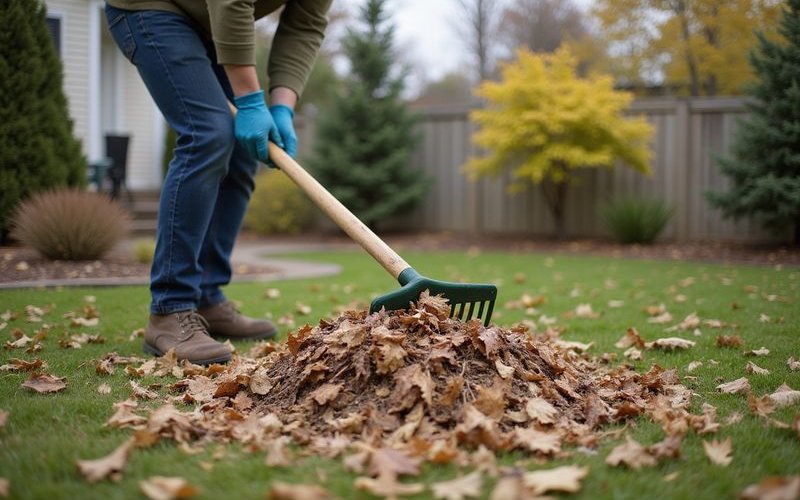
- Rake out matted leaves from flower beds to prevent fungal diseases.
- Clear organic buildup from weep holes in your brick veneer to allow airflow.
- Remove old pine straw if it has grayed out or decomposed into sludge.
Random accumulation:
- Collect windblown trash that gets trapped in shrubbery.
- Check under decks for displaced items or animal nests.
- Clear out any standing water containers to prevent early mosquito breeding.
Phase 2: Pruning and Cutting Back
Pruning in the Coastal Empire requires a specific schedule. If you cut the wrong plant now, you might sacrifice this year’s blooms.
Prune Now (Before New Growth)
This is your last chance for dormant pruning.
- Crape Myrtles: Remove crossing branches and seed pods. Do not “top” them (often called “Crape Murder”), as this weakens the wood and ruins the natural shape.
- Roses: Cut them back by about one-third to encourage strong canes.
- Ornamental Grasses: Shear these down to 6-10 inches above the ground before green shoots appear.
- Liriope (Monkey Grass): Mow or trim off the old foliage to make room for fresh green spikes.
Wait Until After Bloom
Patience is required for spring bloomers. Pruning these now removes the buds set last year.
- Azaleas: Wait until the flowers fade completely (usually April).
- Camellias: Prune immediately after they finish blooming.
- Hydrangeas (Old Wood varieties): Leave these alone until summer.
Remove Entirely
We often see yards cluttered with plants that are past their prime.
- Dead perennials: If it snaps with a dry “crack,” it is gone.
- Invasive species: Pull Chinese Privet and Wisteria by the root now while the soil is soft.
- Sickly shrubs: If a plant has struggled for two years, replace it with a native option like Yaupon Holly.
Phase 3: Bed Cleanup and Prep
Edge Your Beds
A crisp edge is the hallmark of a professional landscape.
Our crews use a spade or mechanical edger to create a distinct trench between the grass and the bed. This physical barrier stops runner grasses like Centipede and Bermuda from creeping into your mulch.
Turn the Soil
Savannah’s sandy soil loses nutrients quickly.
- Turn the top 6 inches of soil to break up compaction.
- Mix in organic compost to improve water retention.
- Get a soil test from the Chatham County Extension Office to see if you need lime to balance the pH.
Fresh Mulch Application
Mulch protects roots from the intense Georgia heat.
Pine Straw vs. Hardwood Mulch
| Feature | Pine Straw | Hardwood Mulch |
|---|---|---|
| Acidity | High (Good for Azaleas/Camellias) | Neutral |
| Durability | Decomposes quickly (refresh 2x/year) | Lasts longer (refresh 1x/year) |
| Cost | Generally lower | Higher initial cost |
| Stability | Stays put on slopes | Can wash away in heavy rain |
Apply 2-3 inches of your chosen material. Keep it pulled back 3 inches from tree trunks to prevent rot and insect damage.
Phase 4: Lawn Care Strategy
The First Mowing
Resist the urge to scalp your lawn.
- Wait until you see consistent green growth.
- Set your mower deck high (3 inches or more) for the first cut.
- Bag the clippings this one time to remove winter weed seeds and debris.
Address Bare Spots
Warm-season grasses need heat to germinate.
- Overseeding: Wait until daytime highs are consistently 75°F+ for Centipede or Bermuda seed.
- Sodding: You can lay sod now, but you must water it daily until it roots.
- Aeration: Check for compaction by pushing a screwdriver into the soil. If it won’t go in easily, plan to aerate in May.
Weed Prevention Timing
This is the most time-sensitive step in the checklist.
- Apply pre-emergent herbicide before soil temperatures reach 55°F to stop crabgrass.
- In Savannah, this temperature threshold often hits by late February.
- Using a granular product watered in immediately usually gives the best results for homeowners.
Phase 5: Hardscape and Structures
Clean Hardscapes
Winter moisture breeds slick green algae on concrete.
- Pressure Washing: Use lower pressure (under 2000 PSI) for wood and soft pavers to avoid surface damage.
- Soft Wash: A mixture of water and mild bleach is safer for vinyl siding and stucco.
- Paver Sand: Re-sand the joints between pavers if the washing blasts it out.
Inspect Outdoor Features
Safety checks prevent accidents later.
- Decks: Look for popped nails or rotting boards.
- Fences: Check posts for wobble, often caused by rot at the ground line.
- Lighting: Replace bulbs and wipe down solar panel covers to ensure maximum charge.

The Debris Dilemma
Cleaning up is the easy part; getting rid of the pile is the challenge.
You will likely generate more waste than your standard bin can handle. Here is how the disposal options stack up.
Option 1: City Pickup
Savannah offers residential service, but there are strict rules.
- Limits: Piles usually cannot exceed specific dimensions (often 4x4x4 feet).
- Schedule: Pickup might only happen once or twice a month depending on your zone.
- Placement: Debris must be curbside but not blocking storm drains or mailboxes.
Option 2: DIY Hauling
You can take debris to a local drop-off center yourself.
- Vehicle: You need a truck or trailer. Putting bags of leaves in a sedan is messy.
- Time: Factor in loading, driving, waiting in line at the facility, and unloading.
- Fees: Most facilities charge a tipping fee based on weight or volume.
Option 3: Professional Removal
Hiring a service eliminates the logistics.
- Speed: Debris is often gone the same day.
- Labor: You do not have to lift heavy bags or cut branches to specific lengths.
- Capacity: Professional trucks can take bulk items, old furniture, and construction waste in one trip.
Savannah-Specific Considerations
Spanish Moss Management
This iconic plant is not a parasite, but it can be heavy.
- Healthy Trees: Leave it alone; it adds character and does not harm the tree.
- Heavy Loads: If a limb is sagging under the weight, careful thinning might be necessary.
- Ground Cleanup: Pecan trees drop moss constantly. Rake it up regularly to save your grass from smothering.
Palmetto and Palm Maintenance
Palm debris is notoriously difficult to compost.
- Fronds: These are fibrous and tough. They will not break down in a standard compost pile.
- Boots: The “boots” (leaf bases) on the trunk can harbor pests. Keep them trimmed if you prefer a clean look.
- Disposal: Due to their bulk, professional removal is often the best choice for large palm cleanups.
Fire Ants and Pests
Our mild winters mean pests start early.
- Mounds: Treat individual mounds with bait rather than a broad spray to protect beneficial insects.
- Mosquitoes: Dump any saucer or bucket holding water. It only takes a bottle cap of water for them to breed.
- Termites: ensure mulch and debris are at least 6 inches away from your home’s siding.
Spring Cleanup Checklist
Print this list or save it to your phone to stay organized.
Debris Removal:
- Walk property and note drainage/damage issues
- Remove “widow maker” branches from trees
- Rake matted leaves from all flower beds
- Clear organic debris from foundation vents
- Collect windblown trash and loose items
Pruning:
- Prune Crape Myrtles (do not top them!)
- Cut back ornamental grasses to 6-10 inches
- Remove dead perennial foliage
- Pull invasive weeds by the root
Bed Prep:
- Re-define bed edges with a spade
- Turn top 6 inches of soil
- Apply 2-3 inches of fresh pine straw or mulch
- Test soil pH if plants are struggling
Lawn:
- Mow high for the first cut
- Apply pre-emergent (before soil hits 55°F)
- Identify bare spots for later sodding
- Service the irrigation system
Hardscape:
- Pressure wash walkways and patio
- Inspect deck boards and fence posts
- Clean outdoor furniture frames and cushions
- Check low-voltage lighting connections
Final:
- Schedule bulk debris pickup or hauling
- Do a final safety walk-through
- Set up the patio for the season
Need Help With the Heavy Lifting?
Spring cleanup generates a mountain of waste that can sit on your curb for weeks if you aren’t careful.
Our yard waste removal service specializes in making those piles disappear instantly. Our team at Coastal Junk Pros handles the difficult logistics so you don’t have to rent a truck or fight with heavy bags.
We remove all types of yard waste:
- Large branches and brush piles
- Old, decomposed mulch and wet leaves
- Thorny shrub trimmings and palm fronds
- Storm debris and broken fencing
- Leftover landscaping materials
Our crew does the loading, hauling, and responsible disposal. You simply point to the pile, and we take it from there.
Call (912) 555-0247 or request a free quote for spring cleanup debris removal.