We get the question every single day.
Customers call us asking, “Can you actually take this old hot tub?”
The short answer is usually yes.
Our team handles almost anything that two strong people can lift and that isn’t hazardous. Our residential junk removal service covers everything from furniture to appliances.
But there is a big difference between standard junk and items that require special disposal laws.
We want to give you the complete breakdown so you know exactly what to expect before we arrive.
What We Gladly Take
Furniture Removal
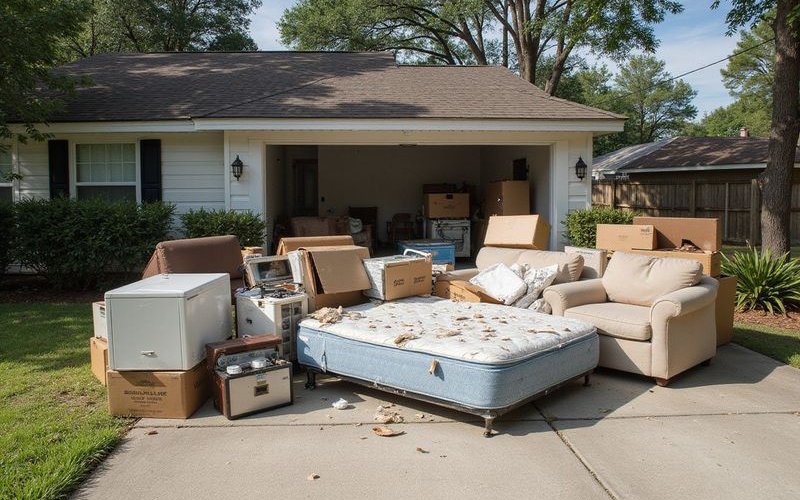
We haul away thousands of furniture pieces every year.
Most municipal trash services refuse these items because of their bulk.
Our crews can maneuver these large pieces out of your home without scratching the floors.
Common items we remove include:
- Couches and Sectionals: We can disassemble large sectionals to fit them through tight doorways.
- Mattresses and Box Springs: Modern laws in many states require us to recycle these rather than landfill them.
- Dressers and Wardrobes: Solid wood pieces are often donated if they are in good condition.
- Tables and Chairs: We take everything from dining sets to patio loungers.
- Office Furniture: Desks, filing cabinets, and cubicle walls are common pickups.
Pro Tip: For mattress removal, check if your items have bed bugs. We cannot accept infested items due to contamination risks for our trucks and crew.
Appliances
We recycle older appliances responsibly to prevent environmental damage.
The Environmental Protection Agency (EPA) has strict regulations, specifically Section 608 of the Clean Air Act, regarding the disposal of refrigerants.
Our team ensures that units containing Freon are handled according to federal law.
We routinely pick up:
- Refrigerators and freezers
- Washers and dryers
- Dishwashers
- Stoves and ovens
- Microwaves
- Water heaters (must be drained)
- Air conditioners
Electronics (E-Waste)
We take almost all consumer electronics.
This category, known as E-Waste, is the fastest-growing waste stream in the United States.
Many components in these devices, such as gold, silver, and copper, can be recovered and reused.
Accepted electronics include:
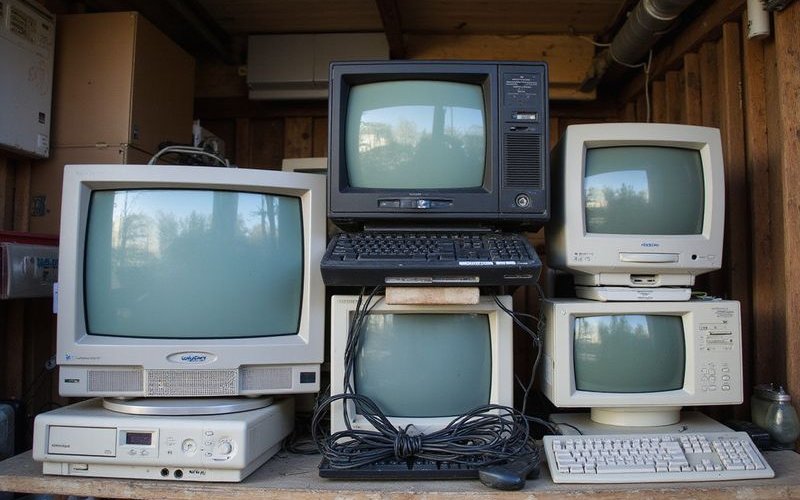
- Televisions: We take modern flat screens and heavy CRT (tube) TVs.
- Computers: Towers, laptops, and monitors are all recyclable.
- Peripherals: Printers, scanners, and fax machines.
- Audio/Video: Stereo equipment, VCRs, and DVD players.
- Gaming: Consoles and accessories.
Data Security Warning: Always perform a factory reset on your phones and computers before handing them over. While we send items to secure recycling facilities, wiping your data is the only way to be 100% safe.
Yard Waste
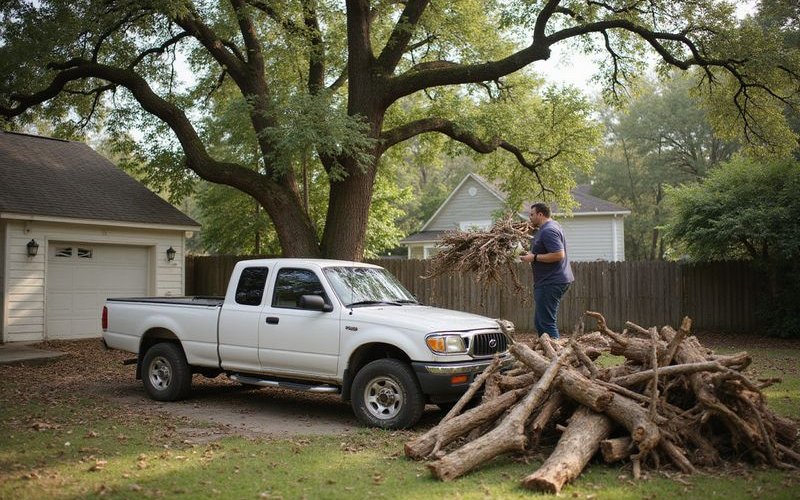
We help homeowners clear out organic debris that city pickup often skips.
Yard waste is excellent for composting, which significantly reduces methane emissions in landfills.
Our trucks can handle the volume that paper lawn bags simply can’t hold.
- Tree branches and limbs (cut to manageable lengths)
- Brush and overgrown shrubs
- Leaves and grass clippings
- Fence sections (wood or chain link)
- Deck boards (free of nails is preferred but not required)
- Storm debris
Household Items
We sort through general household clutter to identify donatable goods.
Charities like Goodwill and The Salvation Army look for items that are clean and in working order.
Our goal is to keep usable goods in circulation and out of the trash.
- Boxes of general clutter
- Books and magazines
- Clothing and textiles (bagged)
- Toys and games
- Sports equipment
- Kitchenware (pots, pans, utensils)
Large Specialty Items
We have the equipment to handle heavy and awkward items safely.
These removals often require disassembly or special maneuvering techniques.
Our pricing for these items reflects the extra time and labor involved.
| Item | Special Requirement | Why It Matters |
|---|---|---|
| Hot Tubs | Must be disconnected from power | Water weight and fiberglass bulk make this a complex job. |
| Pianos | Uprights only (usually) | The cast iron plate inside can weigh hundreds of pounds. |
| Pool Tables | Slate requires disassembly | Moving a single piece of slate incorrectly can crack it. |
| Sheds | Demolition often needed | Structural integrity must be assessed before removal. |
| Exercise Gear | Disassembly required | Treadmills and weight racks are dense and awkward to carry. |
Construction Debris
We partner with contractors and DIY renovators to clear job sites.
Construction and Demolition (C&D) debris accounts for over 600 million tons of waste annually in the US.
Our disposal process separates materials like wood and metal for recycling facilities.
- Drywall and sheetrock
- Lumber and wood scraps
- Carpet and flooring rolls
- Kitchen and bathroom cabinets
- Plumbing fixtures
- General renovation rubble
Items That Require Special Handling
We can take almost anything, but some items have “surcharges.”
These fees cover the specific disposal costs charged to us by recycling centers or state facilities.
Our transparency ensures you aren’t surprised by the final bill.
| Item | The Reason | Estimated Additional Fee |
|---|---|---|
| Refrigerators / Freezers | Proper Freon recovery is mandated by law. | +$50 |
| CRT Televisions | These contain 4-8 lbs of lead and require hazardous processing. | +$25-50 |
| Hot Tubs | Requires extensive labor to break down and transport. | +$150+ |
| Pianos | Extreme weight poses a safety risk and high disposal fee. | +$150+ |
| Safes | Often require hydraulic equipment to move. | Quote based on size |
What We Cannot Take
We prioritize safety and legal compliance above all else.
Department of Transportation (DOT) regulations prohibit us from transporting certain hazardous materials.
Our insurance policies also restrict items that pose immediate health risks to our crew.
Hazardous Materials
- Paint and Solvents: Liquid latex and oil-based paints cannot go in our trucks.
- Automotive Fluids: Motor oil, transmission fluid, and antifreeze.
- Pesticides: Garden chemicals and herbicides.
- Pressurized Tanks: Propane tanks (even empty ones) and oxygen tanks.
- Batteries: Loose lithium-ion batteries pose a fire risk; lead-acid car batteries are hazardous.
Health Hazards
- Asbestos: Common in older siding, tiles, and insulation.
- Biohazards: Medical waste, sharps/needles, or items soiled with bodily fluids.
- Mold: Items with visible, active mold growth (spores contaminate the truck).
Other Restrictions
- Tires: Most transfer stations charge high fees per tire; we recommend tire shops.
- Explosives: Ammunition and fireworks.
Where to Take Hazardous Items
We might not be able to take hazardous waste, but you still have options.
Local governments usually provide designated drop-off days for these materials.
If you are in the Savannah area, try these resources:
Chatham County Household Hazardous Waste This facility hosts periodic collection events for residents. Check the county website for the current schedule and accepted list.
Auto Parts Stores National chains often accept used motor oil and car batteries. Most locations offer this service for free to encourage recycling.
Home Improvement Stores Large retailers frequently have drop-off bins for CFL bulbs and rechargeable batteries. Check the policies at your local store near the customer service desk.
Our Donation and Recycling Process
We do not simply drive every truck straight to the dump.
Responsible junk removal is about logistics and sorting.
Our process ensures that every item ends up in the most appropriate facility.
- Donation First: Furniture, working appliances, and household goods in decent condition go to partners like Habitat for Humanity ReStore.
- Recycling Second: Scrap metal, e-waste, and cardboard are routed to processing plants.
- Disposal Last: Only items that are damaged, soiled, or non-recyclable are taken to the landfill.
On average, about 60% of what we collect is diverted from the landfill.
Still Not Sure?
We know that every junk pile is unique.
A quick phone call can clear up any confusion about specific items.
Call us at (912) 555-0247 or send us a photo of what you need removed.
We are happy to look at the image and give you a firm “yes” or “no” along with a cost estimate.
Most items fall under our standard volume-based pricing.
The few exceptions are listed above, so you never have to worry about hidden fees.